Pierre-Jules Boulanger, an architect by profession, ran Citroën after the company was acquired by Michelin, initially along with Pierre Michelin and Robert Puiseux and after the former's death in a car crash in 1937 he ran the company until 1950.
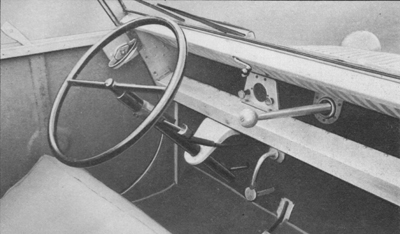
He was the man responsible for the concept of the TPV - it is said that he realised the need while observing local farmers who used horses and carts and bicycles in order to get their produce to market. He envisaged a cheap, minimalistic, low maintenance solution in which all extraneous and unnecessary components were to be deleted.
He was also an astute business man who realised that when Citroën ceased production of the 5CV in 1926, the company had left the bottom end of the marketplace to its rivals, Peugeot and Simca.
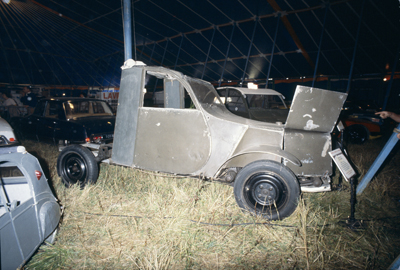
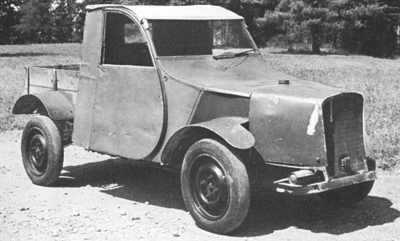
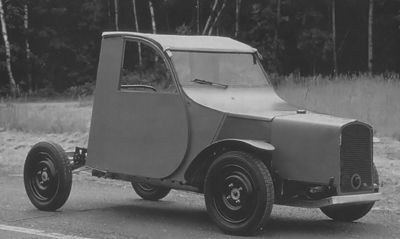
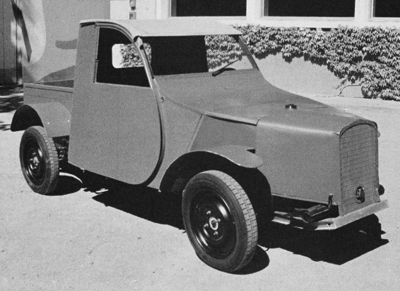
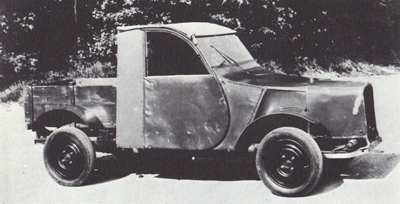
In 1934, just before Michelin acquired the company, Pierre Michelin instructed his engineers to build a tyre-testing vehicle on which certain automotive experiments might be undertaken. |
 |
 |
 |
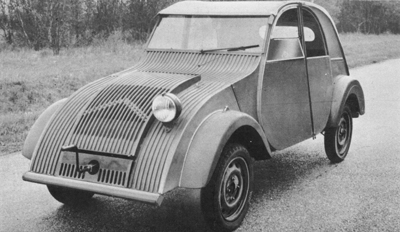
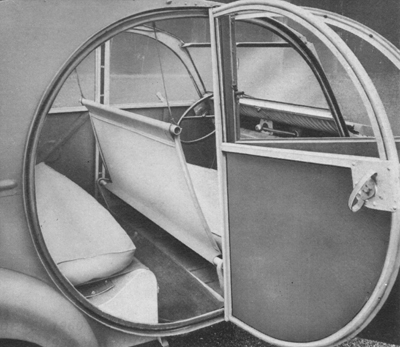
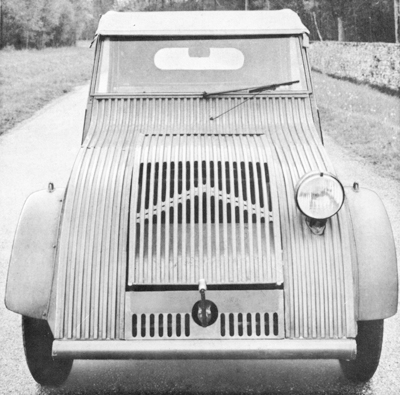
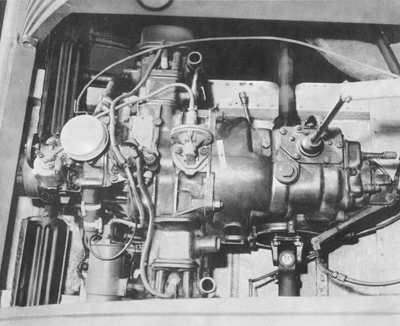
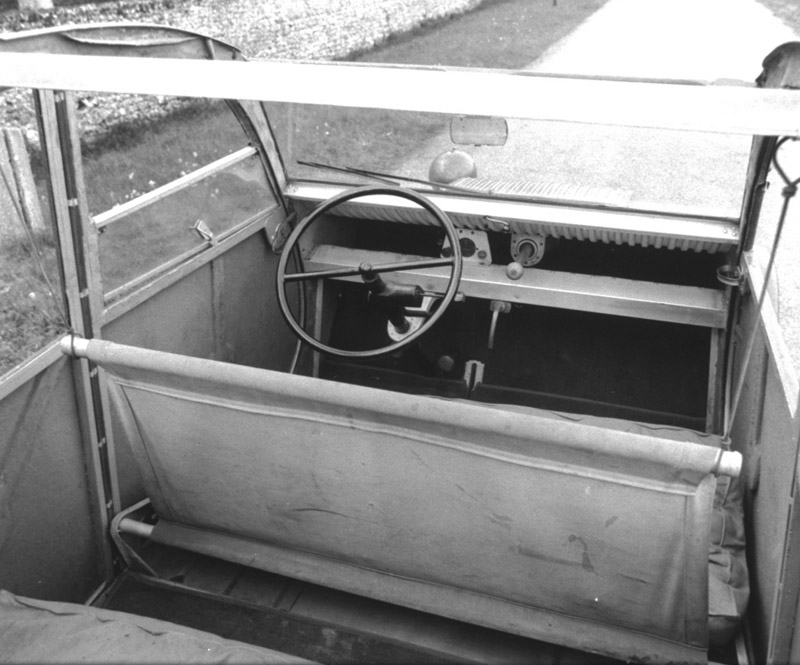
The basic architecture of the TPV (Très Petite Voiture or small car) was determined quite early - flat twin engine, interconnected suspension - 4 roues sous une parapluie (four wheels under an umbrella) and while the surviving cars share no parts in common with the vehicle that went into production, the basic silhouette already existed, together with the use of corrugated metal to achieve the necessary rigidity for very lightweight body panels.
In the run up to WW2, 250 cars were built and apparently all but two were destroyed when the Nazis invaded France.
For over half a century, it was believed that the only survivors were this car that has been displayed at shows over the years plus the pick up used for tyre testing. |
 |
 |
 |
 |
 |
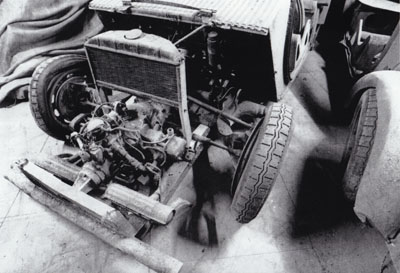
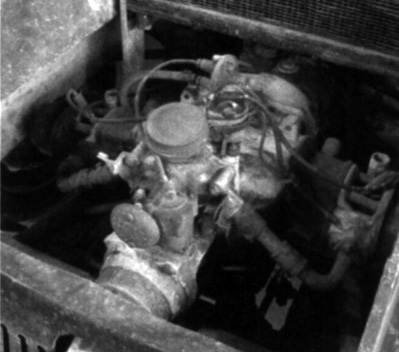
| Then, in 1995, an additional three cars were found in a barn at the Bureau d'Etudes but unlike the car above which has been fully restored, these are exactly as they were found. |
 |
|
|
|
 |
|
|
|
|
|
|
|
|
|
|
|
The cars made widespread use of duralinox - a lightweight aluminium alloy but more conventional (and cheaper) materials were employed in the production vehicles.
|
|
|
|
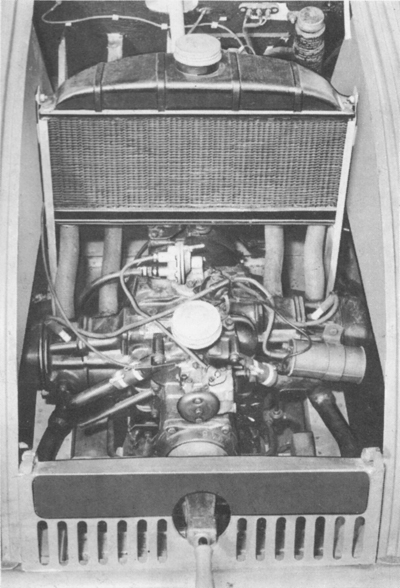
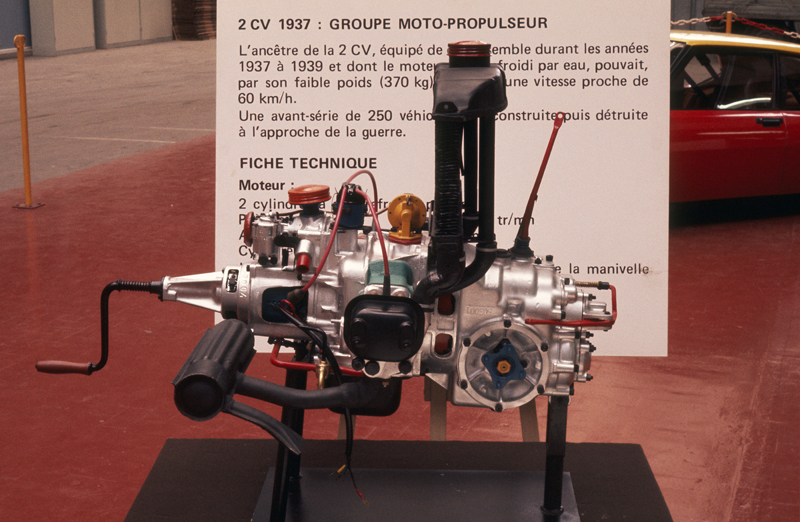
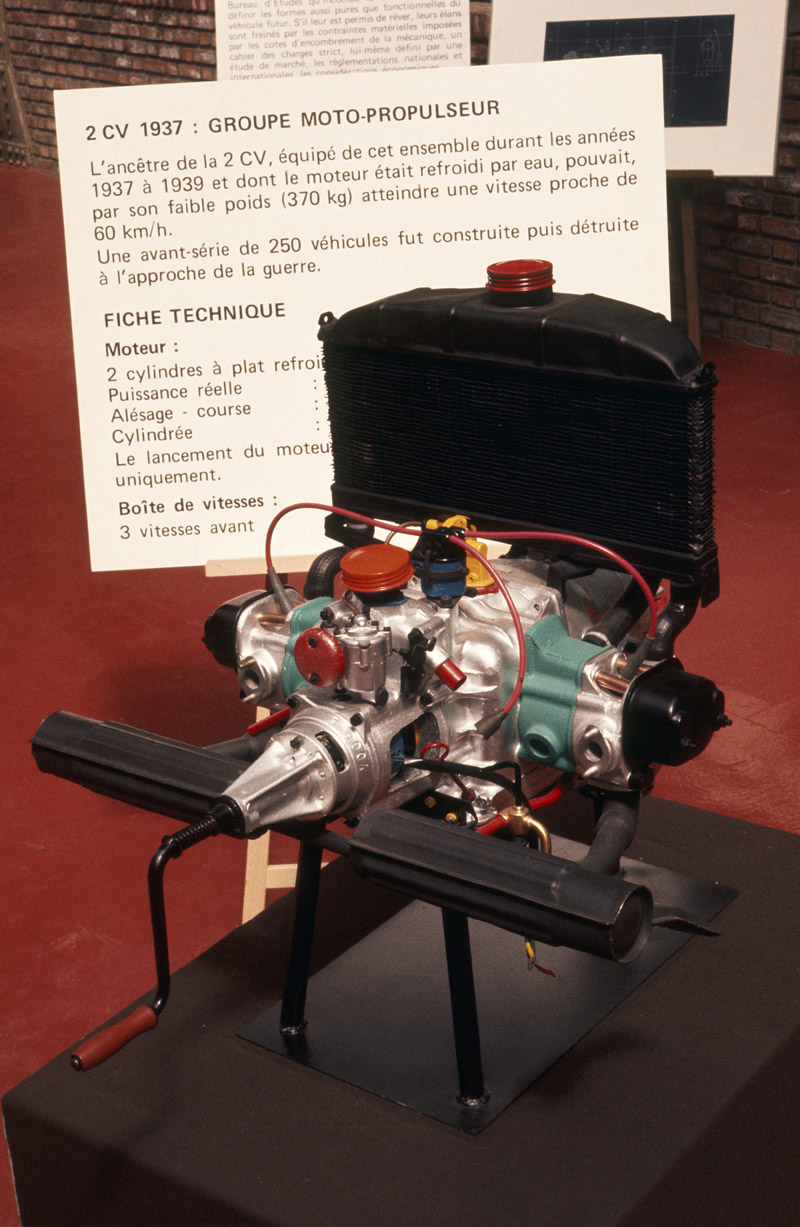
Both water and air cooling for the engine were investigated.
|
|
|
 |
|