Citroën-Kegresse-Hinstin Autochenille
|
 |
 |
 |
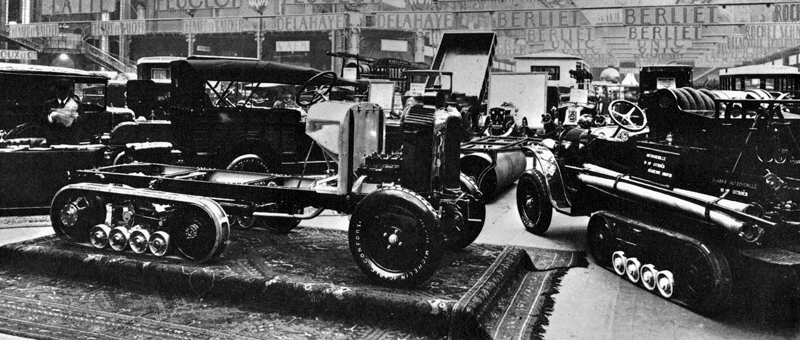
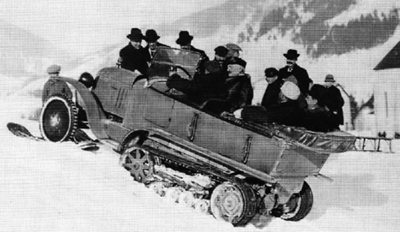
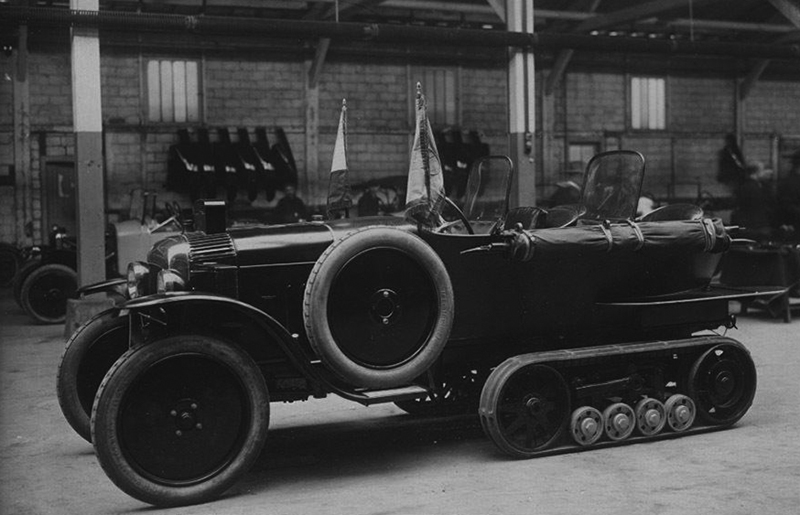
Above
presentation of the 'neige' or 'tous terrains' at the
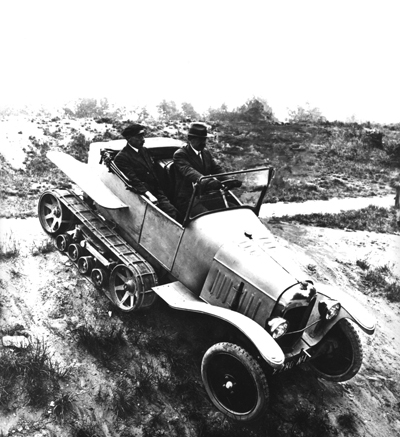
1921 Salon des utilitaires. Left
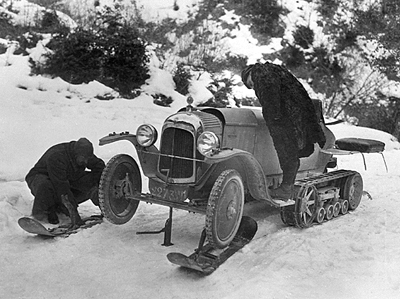
- Adolphe Kegresse at the wheel of one of the first half
track
prototypes, derived from the standard Type A and B2
passenger cars,
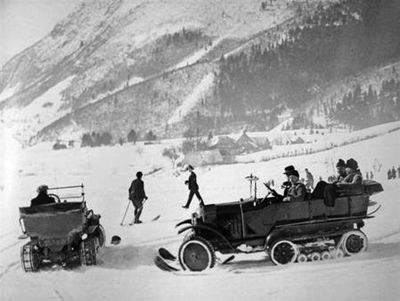
these vehicles were fitted with Citroën-Kegresse-Hinstin
caterpillar
tracks and featured a 1 452cm3 engine developing 20 bhp
@ 2 100 rpm, a
3-speed gearbox driving the twin rear caterpillar
tracks.
|
 |
|
Three models were available initially - and
B2 Autochenilles were the first vehicles to cross the
Sahara (1922 -
1923) and also took part in the 20 000 km long Croisière
Noire (1924 -
1925).
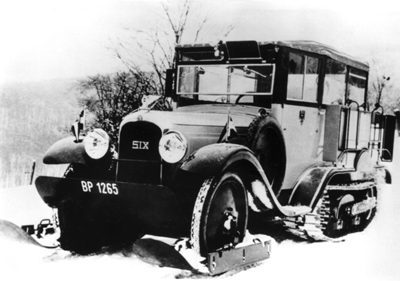
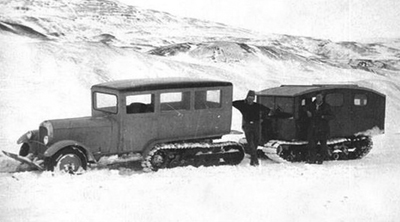
Subsequent Autochenilles were based on the then
contemporary
passenger cars - a 1933 Six is shown above
right.
|
 |
 |
|
Above 1920 Type
A P1 Neige
|
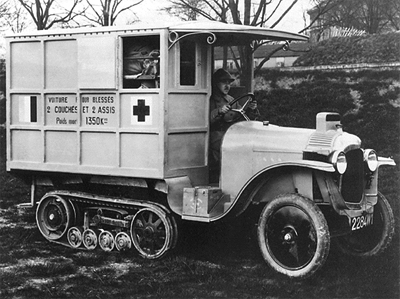
Above 1923 P2
ambulance
|
 |
 |
|
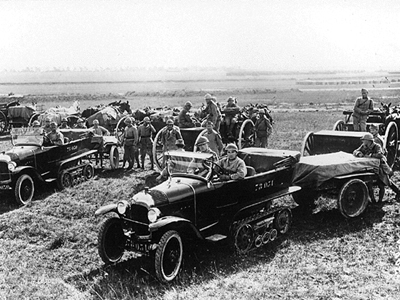
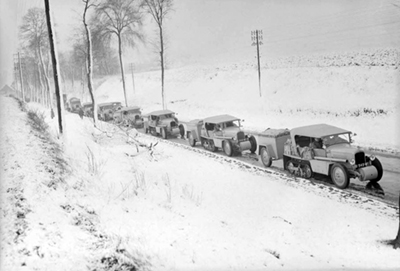
Above Military
trials in 1923
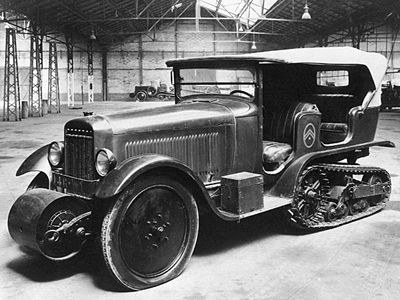
Below P19
Hotchkiss
|
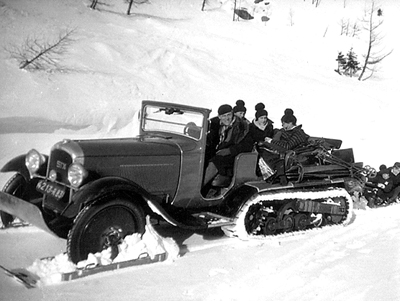
Above P15 Neige
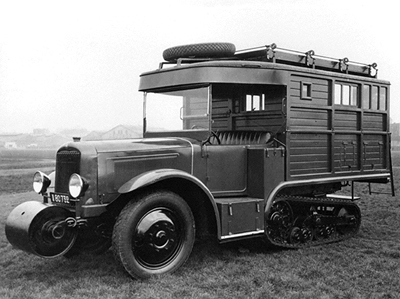
Below P19
military ambulance
|
 |
 |
 |
 |
|
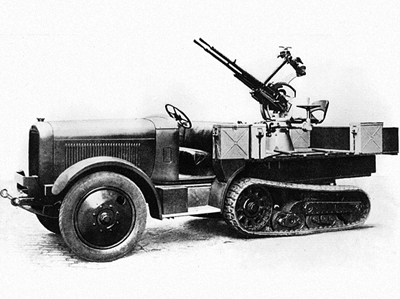
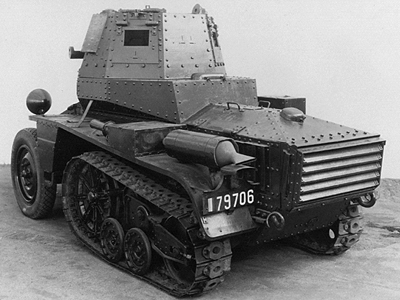
Above P19
destined for the Polish army
Below P104
armoured car
|
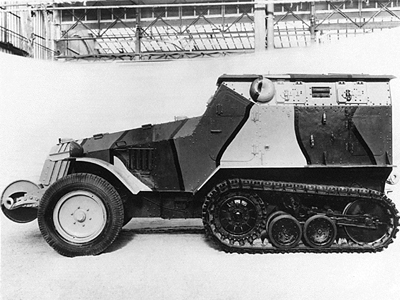
Above P28
armoured car
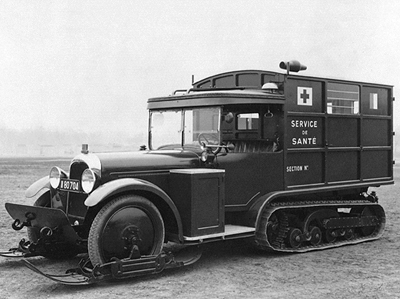
Below C6 neige
ambulance
|
 |
 |
 |
 |
|
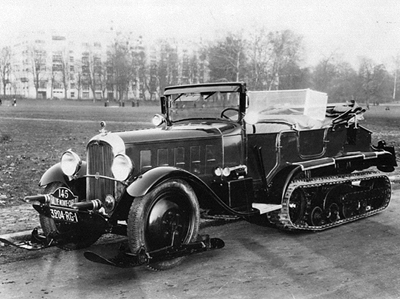
Above C6 P15
Neige
|
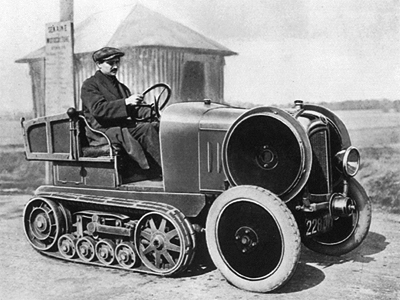
Above prototype
agricultural tractor
|
 |
 |
 |
 |
 |
 |
 |
|
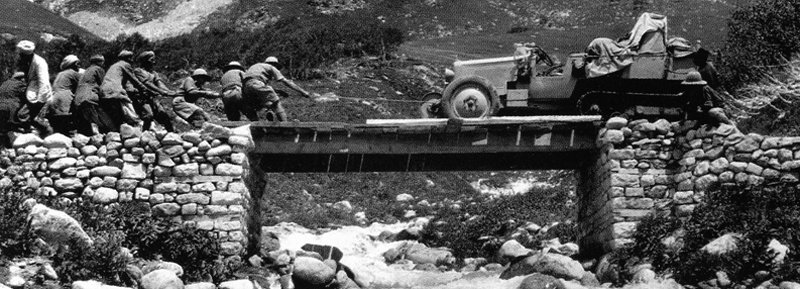
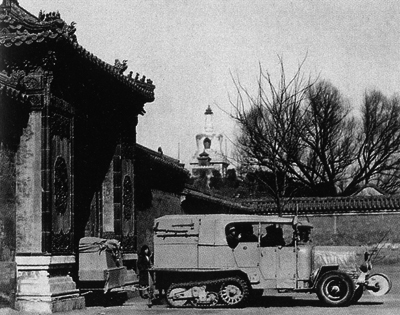
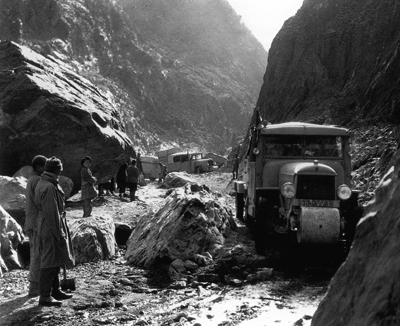
Above and right
the
C4F and C6F Autochenilles participated in the Croisière
Jaune from
April 1931 and February 1934 - two teams, one starting
in Beirut and
the other in Beijing covered a total of 12 115 km and
crossed the Gobi
desert as well as the Himalayas.
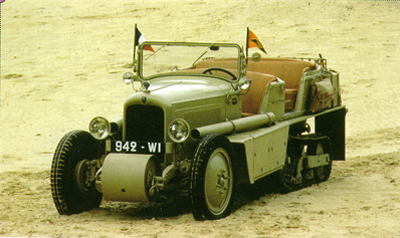
Below one of the
Autochenilles that crossed
the Sahara desert.
|
 |
 |
| ©
2006 Julian Marsh/Citroënët |
 |













