|
*When you
have said
"Citroën, there is nothing more to say."
|
|
|
This
was the advertising strapline used in
the Sixties by Citroën Cars
Limited in Britain to sell the ID and DS
which were built in their
factory in Slough, to the west of
London.
|
|
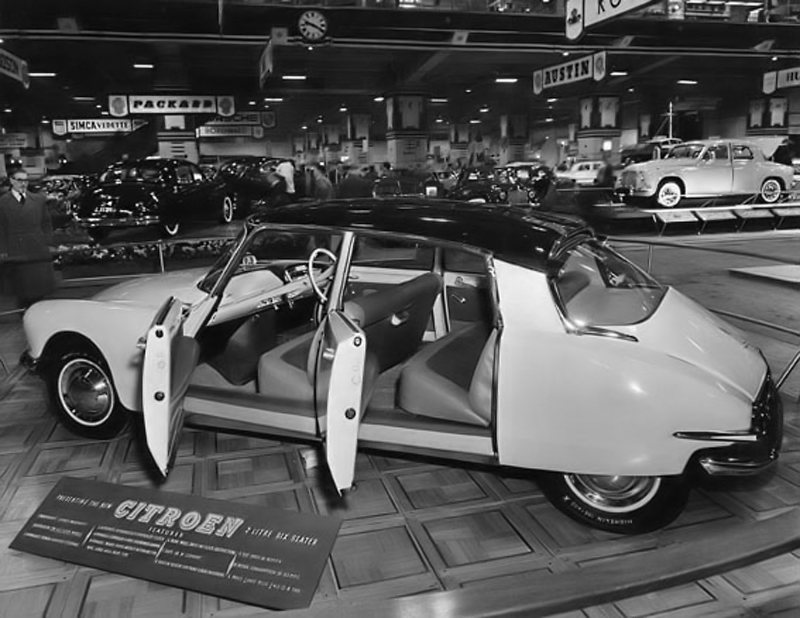
Below
the DS on
show at the London Motor Show in 1955
|
|
|
The
English
Goddesses were different from the French
cars in a number of respects.
The most obvious being the steering wheel
on the right with left hand
gearchange on the ID.
|
 |
 |
|
Above Slough built ID 19
1961 (this
car belonged to my Father)
|
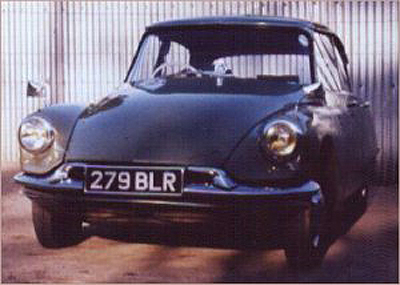
Above Slough built ID 19
circa 1963
|
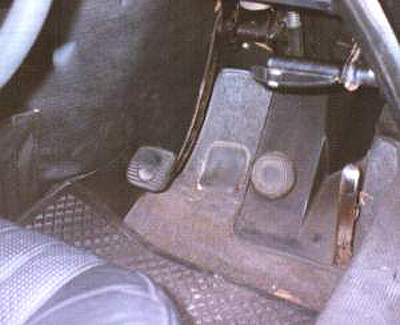 |
Furthermore,
manual cars for the UK market, whether
built in Slough or France always
had a hand operated parking brake - only
three pedals!
Once
the Slough factory stopped building cars,
they were imported from
France but remained different in detail
from the domestic product - ID
and manual DS models had a handbrake and
all cars were fitted with the pédalo
footbrake and round rear lights.
|
|
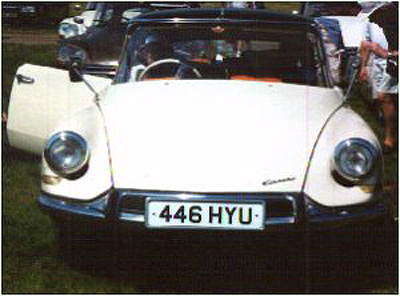
`Well,
what's so strange about that?' owners of
British cars might ask. Late
model LHD IDs had four pedals - the
parking brake was foot operated. A
conventional footbrake pedal was fitted
instead of the pédalo.
|
 |
 |
 |
|
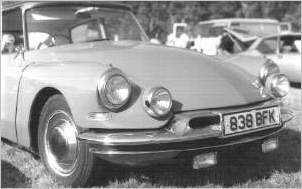
Above ID 19 circa 1960
|
Above DS 19 circa 1959
|
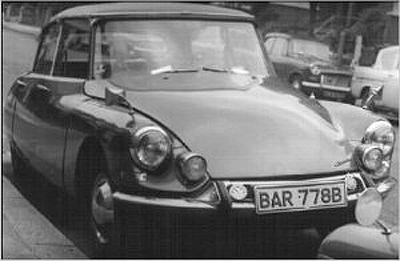 |
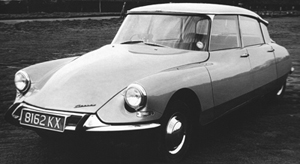
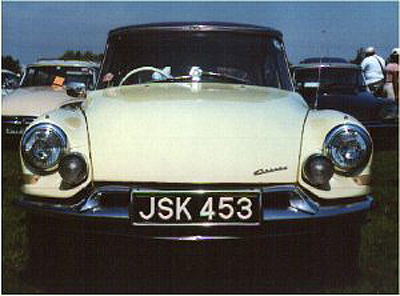
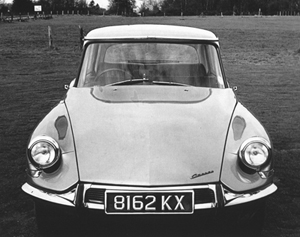
Further
additional differences were the lightly
restyled front bumper -
necessary to ensure that the number plate
was vertical to comply with
British law (this feature was retained
when the first restyling took
place in 1963) and the fitting of a
Citroën badge on the bonnet.
The
full story of Citroën's UK operations is
told in John Reynold's book "From
A to X ~ 75 years of
Citroën in the UK "
|
|
Above Slough built DS 19
1964 - this
car belonged to my Father
|
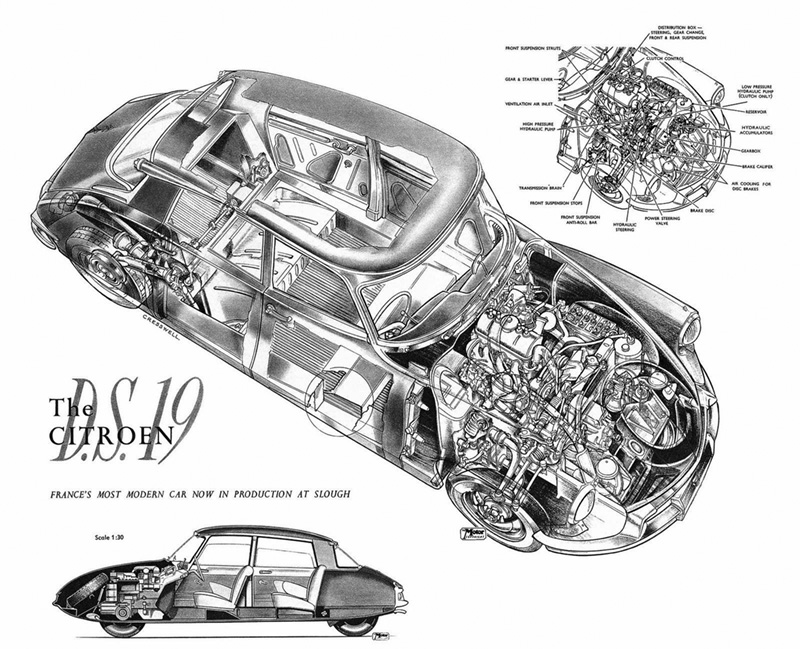
Below 1956
publicity
- click to see large image
|
|
|
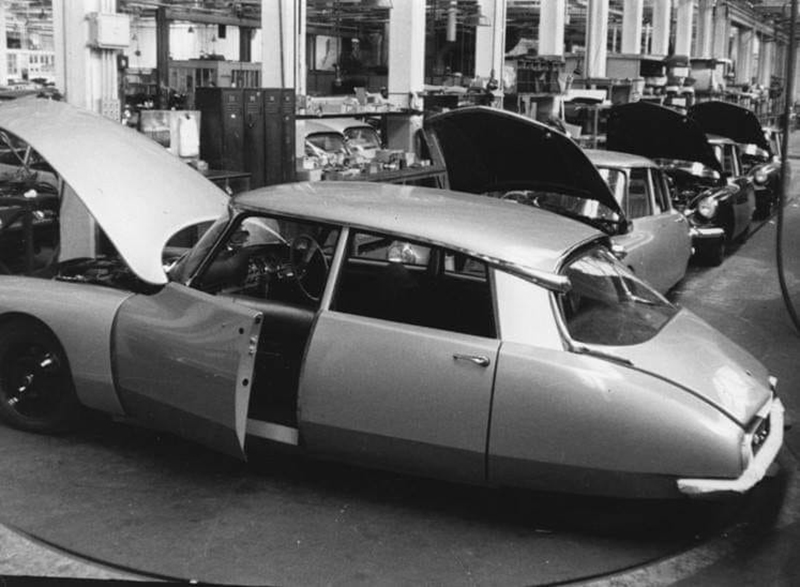
Below the production line at Slough
|
|
 |
|
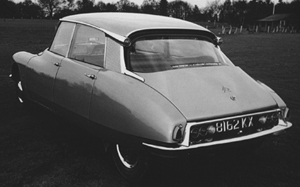
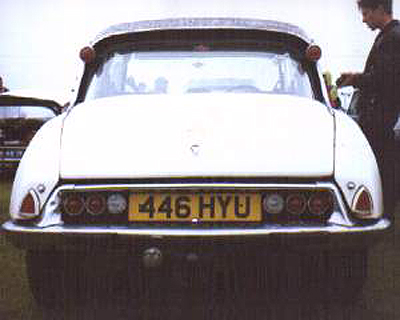
Unlike the Paris
cars which were equipped with 6
volts
electrics, the Slough cars used 12
volts from the outset.
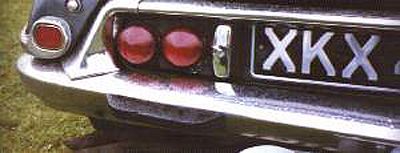
Cars
were equipped with Lucas lights -
the rear clusters comprised 3
pairs
of small round lamps - the
outermost being the tail lamps,
the middle
pair being the stop lamps while
the inner pair were reversing
lamps.
|
 |
|
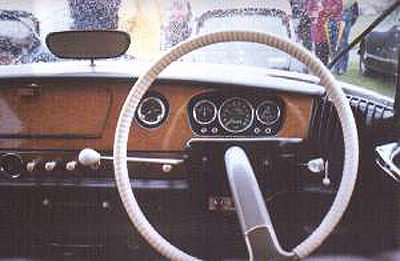
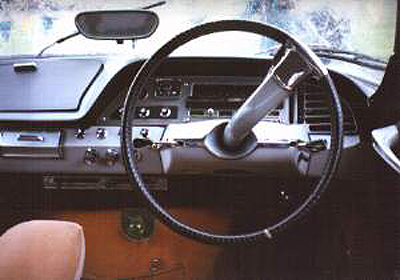
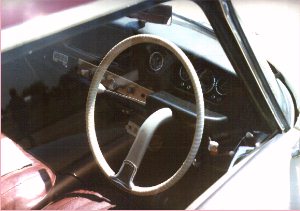
Perhaps
the greatest difference of all was
to be found in the interior of the
ID - the avant garde dash of the
French cars was replaced by a slab
of
timber and the seats were
upholstered in leather.
While
the ID was viewed as a downmarket
version of the DS in France, in
Britain it was a luxury car in its
own right, fitted with leather
upholstery and DS wheel trims.
|
 |
|
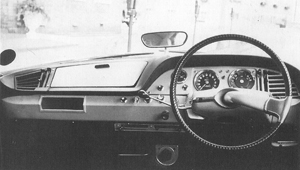
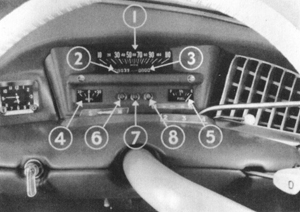
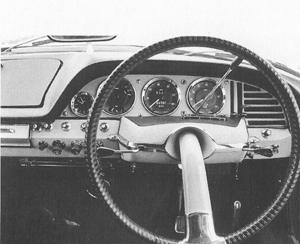
The DS sported a
mirror image version of the French
car's fascia, initially fitted
with rectangular instruments above
and later with round Smiths
instruments below
thereby
anticipating the three dial layout
used from 1969 in all
markets.
|
 |
|
The DS was
extremely unusual in being a right
hand
drive car with right hand
gearchange.
|
 |
|
Above and right
DW
|
 |
|
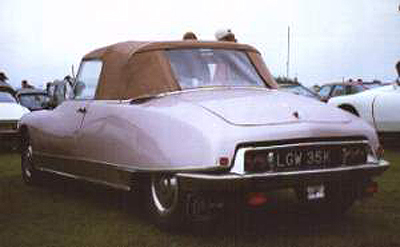
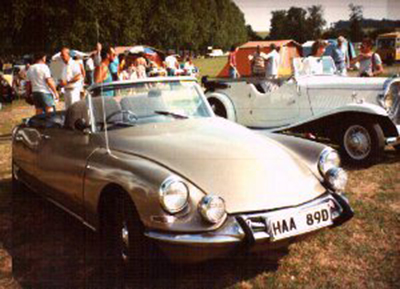
Above
right hand drive Cabriolet DS -
although listed in the Slough
catalogues, no cabriolets
were built in Britain.
|
 |
|
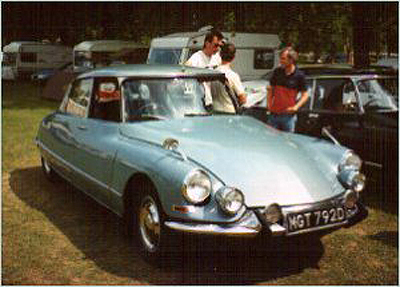
Above
1966 Slough built DS
Pallas
|
|
|
|
|
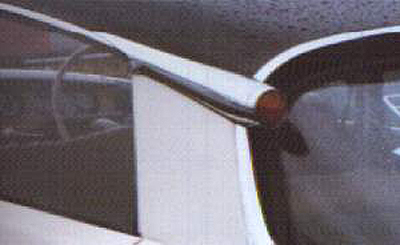
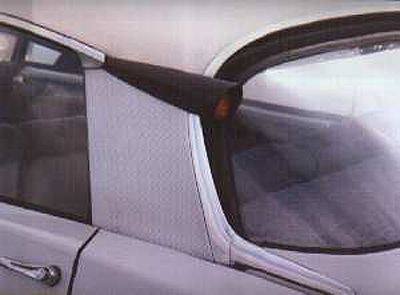
Above
a close up of the rear
indicator fitted with Lucas
light - compare this with the
light from a
French car of similar vintage below.
|
|
|
|
|
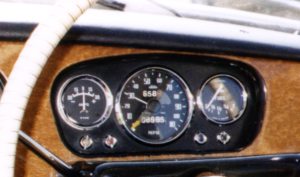
Above and below
ID19 dashboard
|
|
|
|
|
|
|
|
Above
and below the
Slough factory was the first in
the world to offer a manual DS,
called
the DW.
|
|
|
|
|
|
|
|
UK market Cabriolets
were equipped with Lucas
electrics although they were
built in France.
|
|
|
|
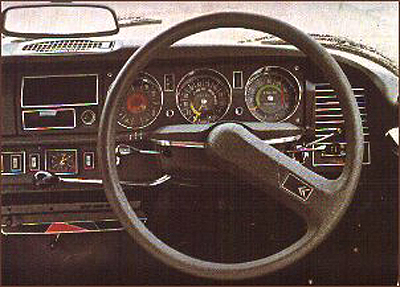
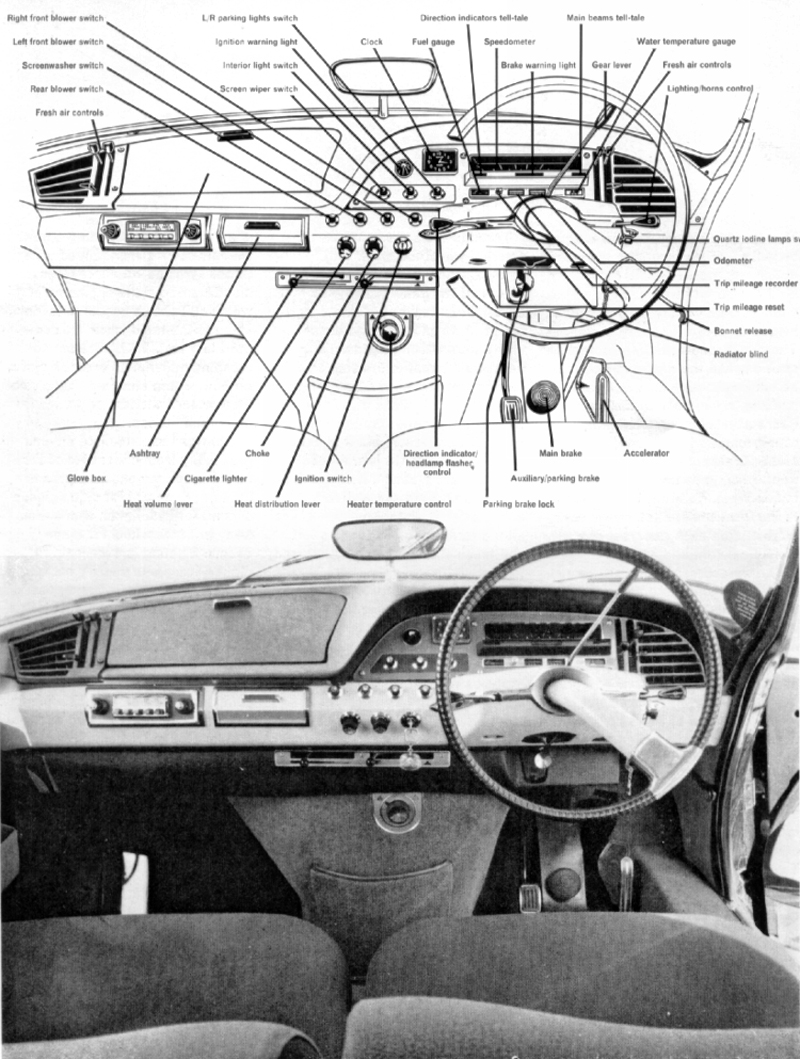
Above
dashboard from UK market, Paris
built D Super - 1972
|
|
 |
 |
© 1997 Julian
Marsh |
| Slough Index |
|
|