|
|
|
 |
|
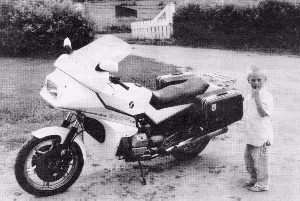
The
French department of industry had a
construction competition in 1978
which was won by three gentlemen by the names
of Louis Boccardo,
Dominique Favario and Thierry Grange, hence
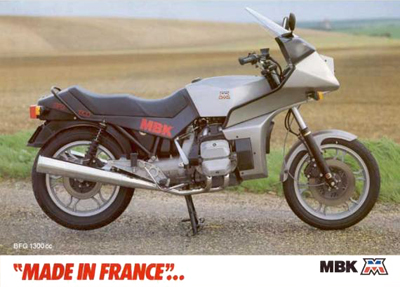
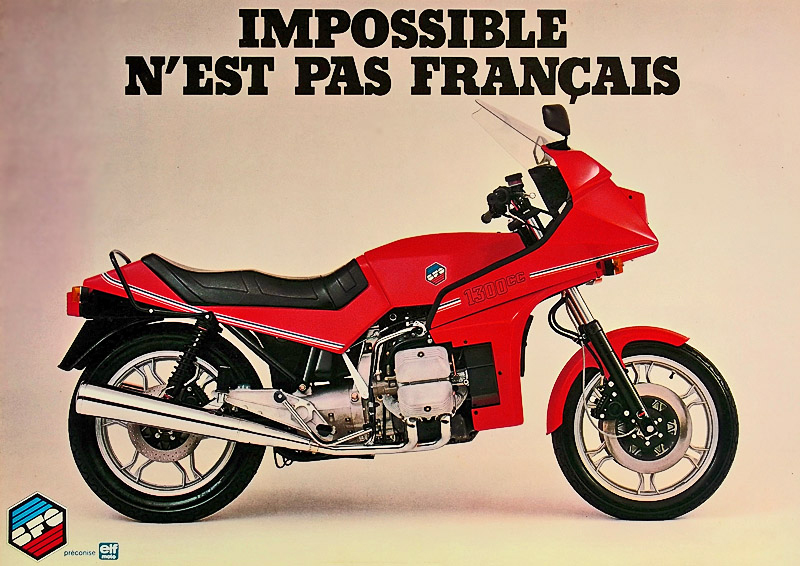
BFG. The idea was to put a
car engine in a motorbike frame and was
manageable enough to actually
make it into production. According to certain
sources it was part of
the company that had been working with the
manufacture of the Concorde
that got the assignment. According to the
instruction book the
responsibility was in the hands of the moped-
and bike manufacturer
Motobécane, at least towards the end when the
BFG factory had financial
trouble.
|
|
|
When
exactly the production started and ceased is
not known, but it could
still be found in a German motor bike review
in 1985. A total of about
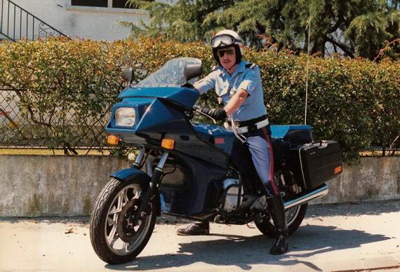
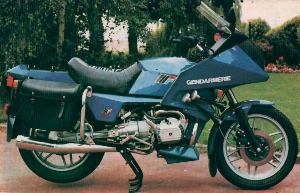
450 bikes were made, and the French police
were said to have bought
about a hundred of them. There was also
supposed to have been a diesel
powered motor bike with the same engine as the
Visa Diesel. However,
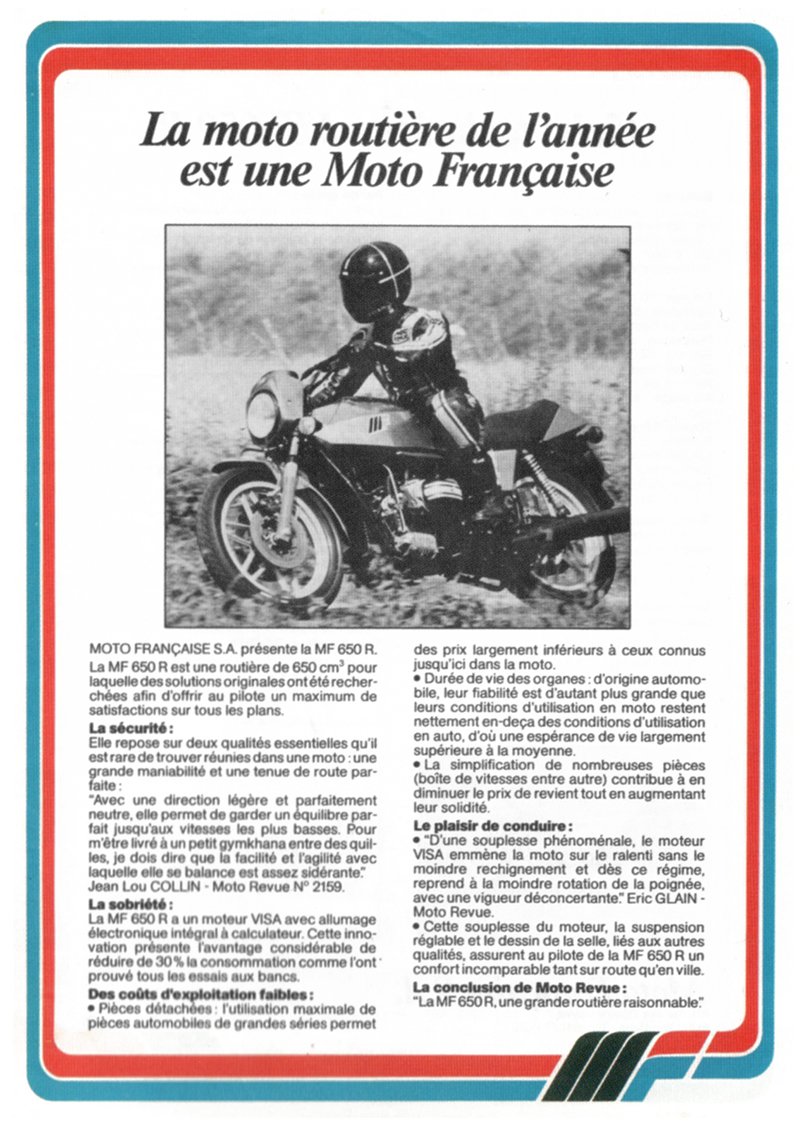
there was a bike called the MF
with the 652cm3 motor from
the Axel,
LN or Visa.
|
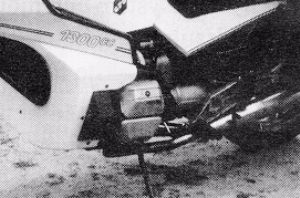 |
Citroën
GSA
engine
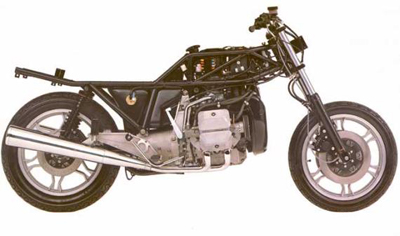
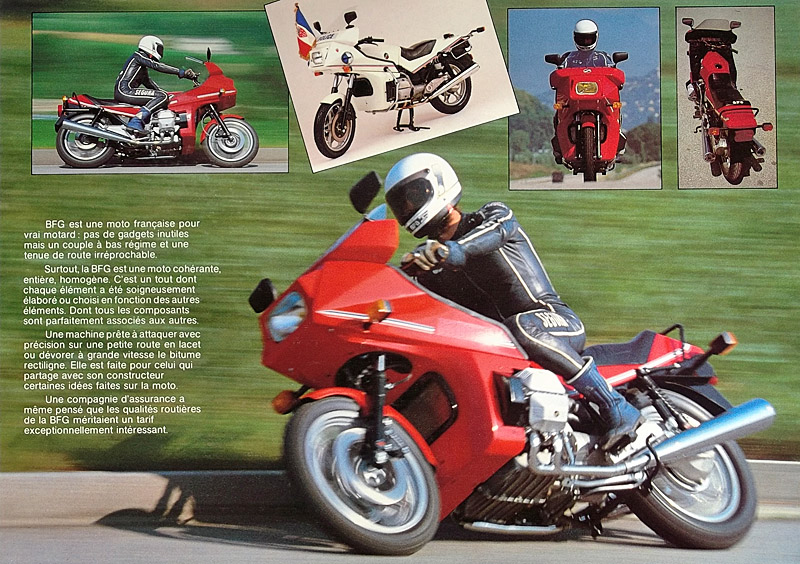
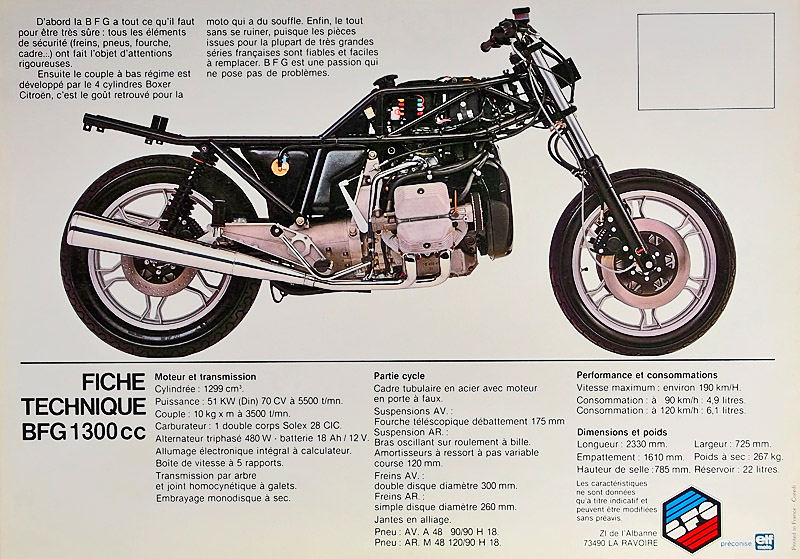
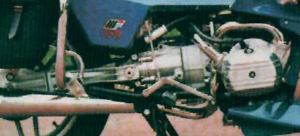
The
engine is
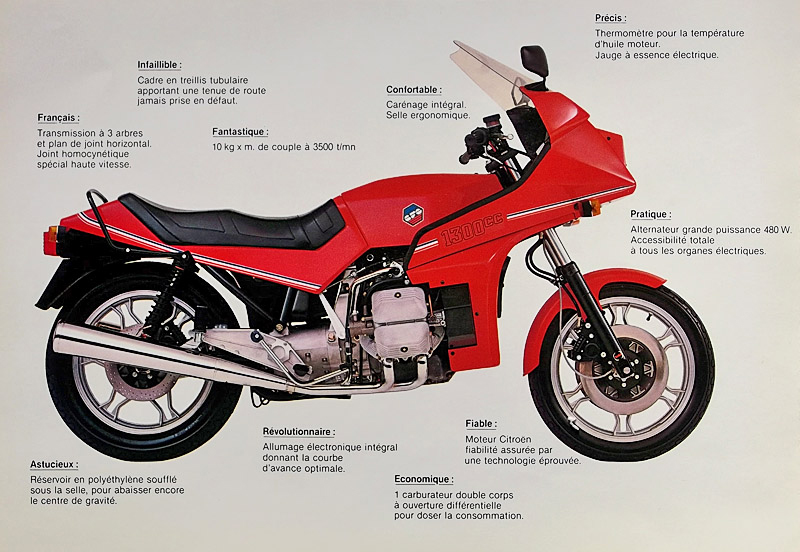
a 1 299 cm3 GSA
engine where the modifications were
kept to a minimum. Among other
things the fuel pump has been replaced
with an electric one and the
distributor has been replaced with an
electronic ignition system. The
rocker covers are made of light alloy
and the exhaust system is of
course replaced with chromed pipes and
silencer. The clutch is modified
to make it manoeuverable by hand. The
gear box is specially made, as is
the tubular frame. The gearbox has 5
gears with neutral between 1st and
2nd gear, and integrated with the
cardan. An odd detail is the use of
straight gears in the gearbox. The
brakes and wheels are from Brembo,
like the Moto Guzzi, and the silencers
are also Italian.
|
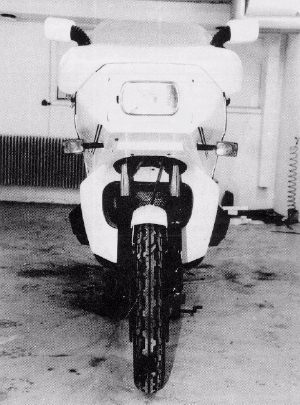 |
More
car
parts
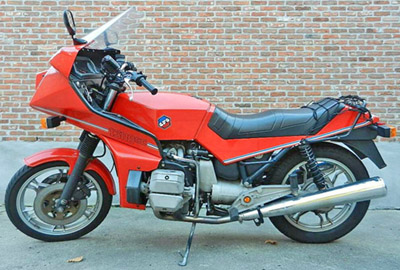
On
the electrical side there are more car
parts. The headlamp is from a
Renault R16 and the instrumentation
from an Renault 5 TS. The generator
and starter engine are from the GSA.
Covers, tank and saddle are specially
made. The tank isn't placed in
its ordinary place, where the air
filter, battery and relays are
mounted, instead it's placed under the
saddle (in the same way as the
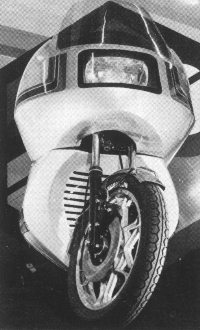
Honda Gold wing). In the lower part of
the covering there's the air
intake, and the fan on the motor has
been retained which means there's
ample cooling even when driving slowly
or standing still.
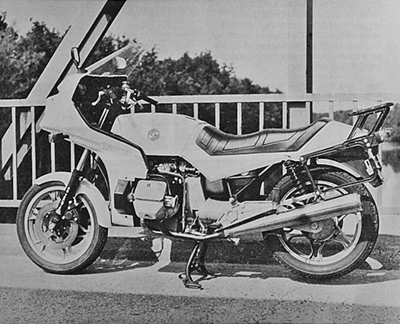
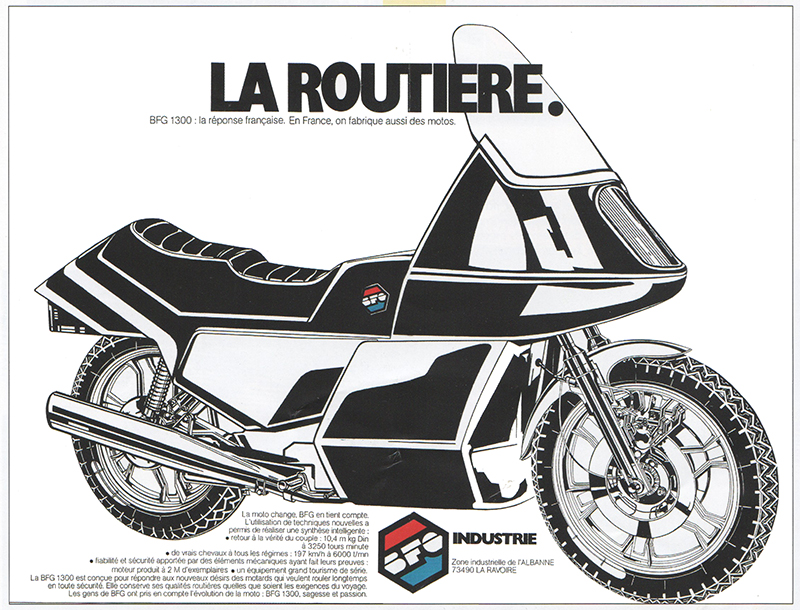
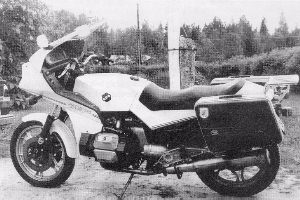
It's
very long
and wide, like a large BMW, but a few
sizes bigger. The wheel base is
20 cms longer on the BFG.
|
 |
|
|
|
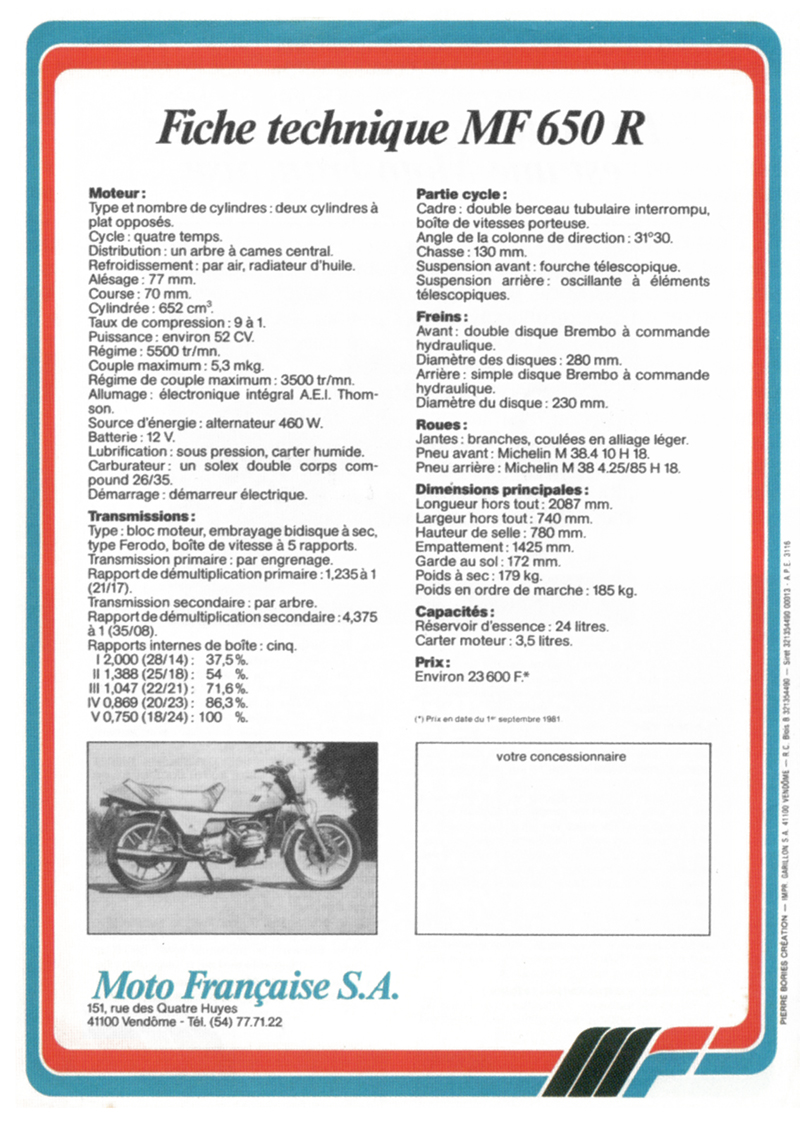
2
Cylinder MF
|
|
Bore
and stroke:
|
77 x 70
mm
|
|
Cubic
capacity:
|
652 cm3
|
|
Compression
ratio:
|
9,2 : 1
|
|
Carburettor:
|
1 x
Solex 26/38 CSI
|
|
Ignition:
|
Electronic
A.E.I. Thomson
|
|
Gearbox:
|
5
speed
|
|
Wheelbase:
|
1 425 mm
|
|
Height:
|
740
mm
|
|
Weight:
|
190
kg.
|
|
Max.
power:
|
36 bhp
@5 500 rpm
|
|
Max.
torque:
|
5,3 kgm.
at 3 500 rpm
|
|
Fuel
consumption:
|
5
litres/100 km
|
|
 |
 |
If
you have
any more information about these
bikes, please contact
me.
|
| This
piece is lifted from The Swedish
Citroen Club
magazine written by Lars I Nilsson and
translated by Ricard Wolf.
|
2
Cylinder MF 650 R
|
|
|
|
|
|
|