|
|
 |
|
|
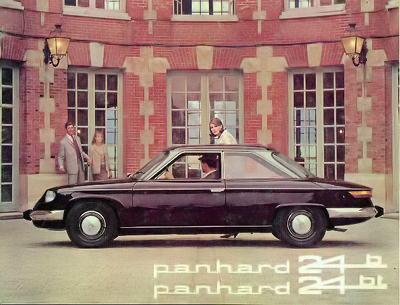
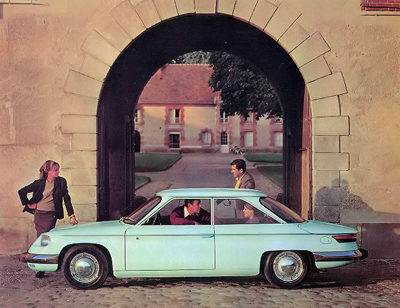
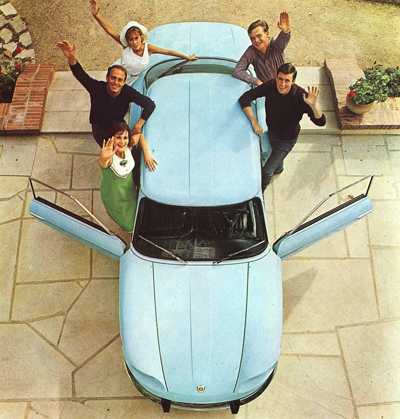
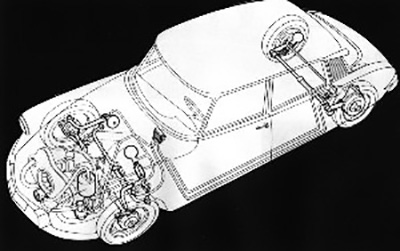
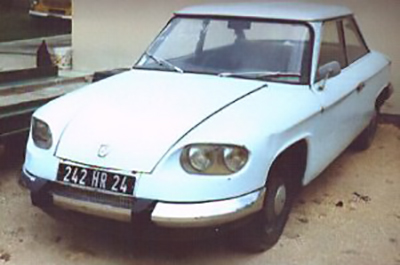
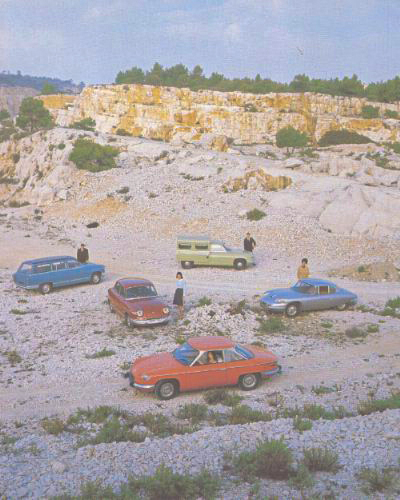
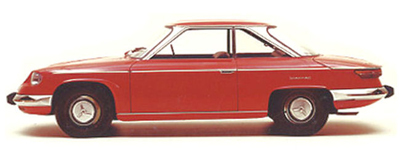
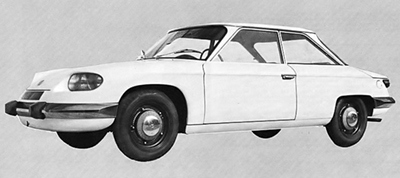
Only two body
styles were ever offered - a 2 + 2 and a slightly
lengthened (by 25cm) 4 seater.
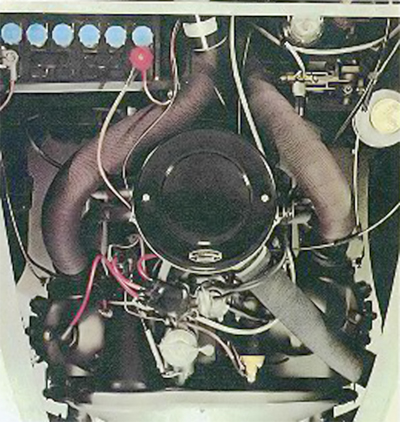
A variety of trim
options were available and the standard engine
produced 50 bhp while the Tigre models had an extra
10 bhp.
|
|
|
|
|
|
|
|
|
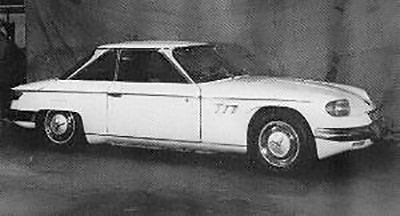
Right up to the
end, Panhard were working on a new radially opposed
four cylinder air cooled engine. The 24 body,
suitably lengthened had been employed for the
proposed new Citroën-Panhard - a DS chassis with a
145 bhp 2 litre engine based on the new short stroke
D engine.
Citroën decided
instead to go ahead with the project that would lead
to the SM.
|
|
|
|
|
|
|
|
|
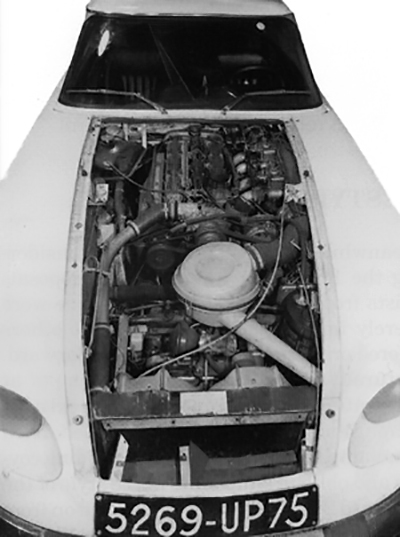
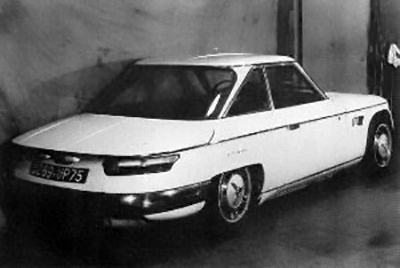
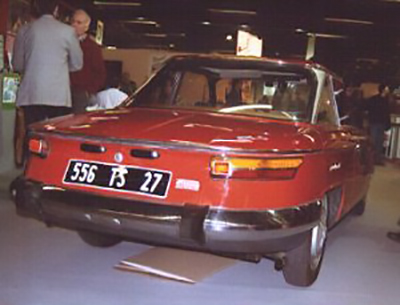
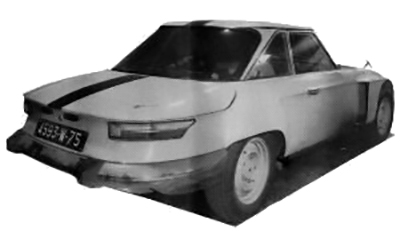
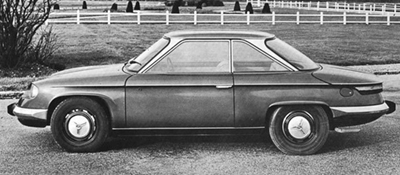
Another
lengthened 24 was used by Citroën as a test bed for
the forthcoming
SM - this car (above) was effectively
an SM under the skin.
|
|
|
|