|
In the early nineteen fifties, Citroën's range comprised two models - the 2CV and the Traction, shortly to be replaced by the DS.
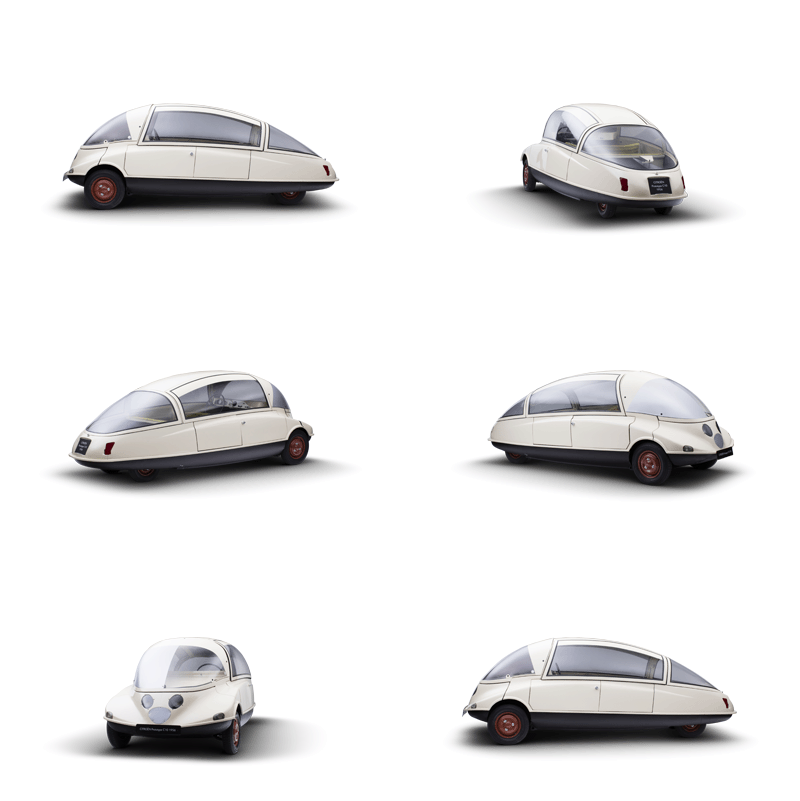
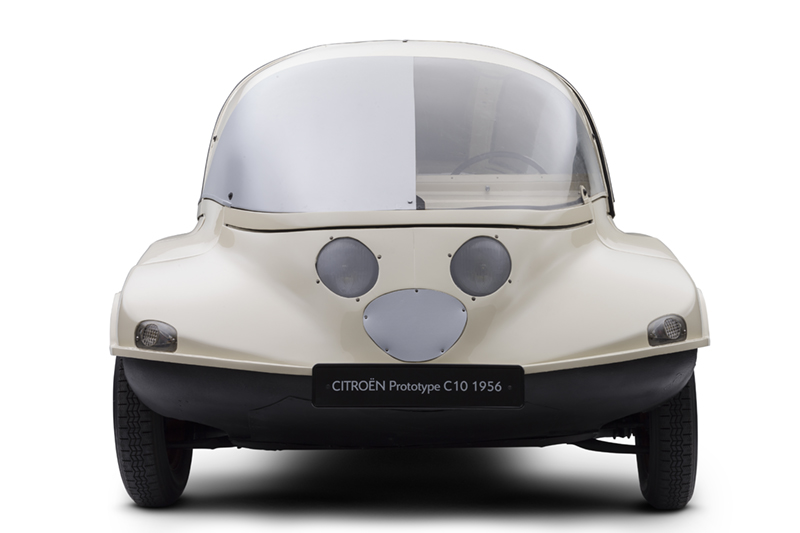
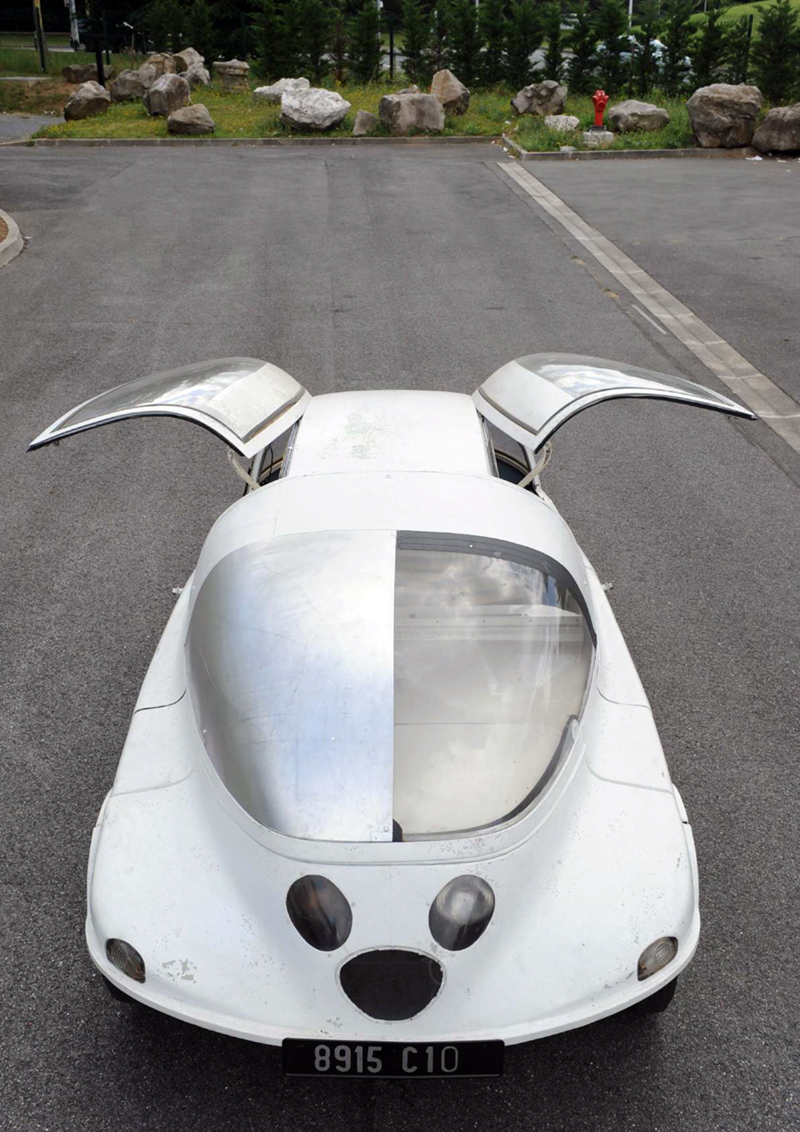
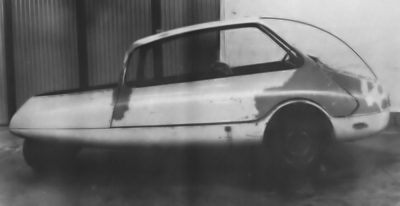
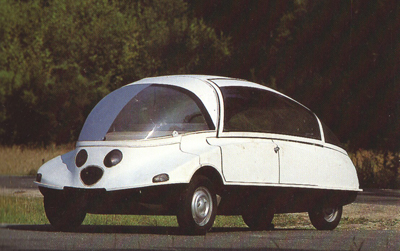
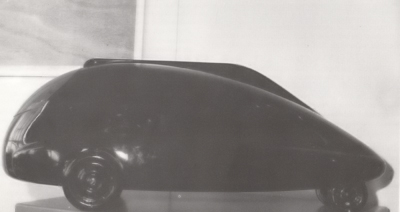
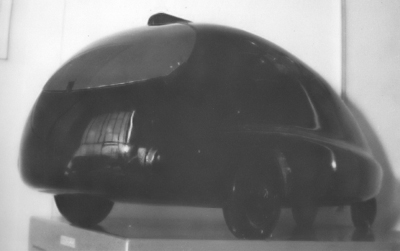
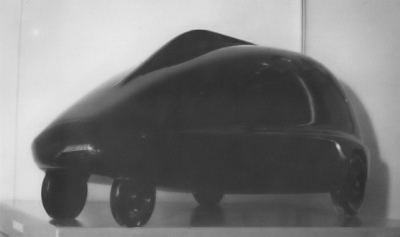
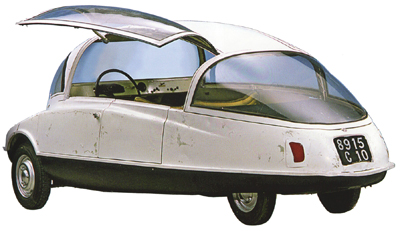
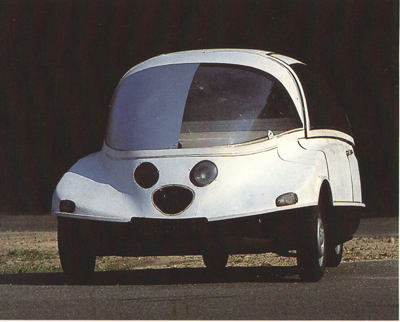
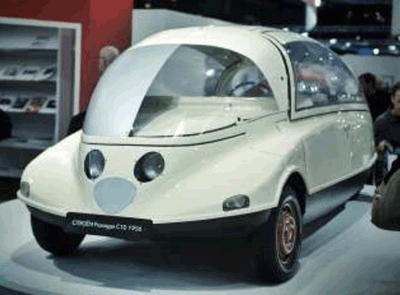
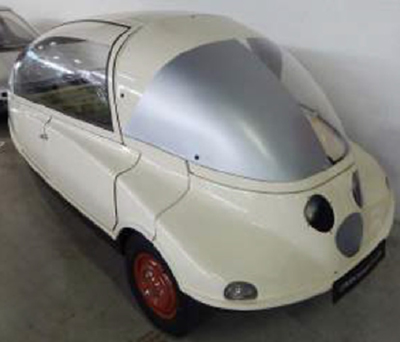
Work was underway to plug this gap - there were two projects, one based on the 2CV resulted in the Ami 6 while the other, the C models (C1 - C10) shown here, regrettably was never launched.
In
1953, André Lefèbvre thought to develop a vehicle that would be more
modern and more compact than the 2CV and to this end, the C range of
prototypes were developed, ranging from C1 in 1955 through to C10 in
1956.
|
 |
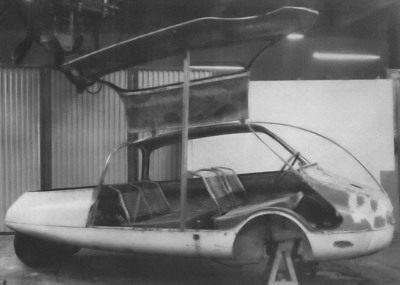
C1 above and below featured gullwing doors
Right - scale model to explore the aurodynamics |
 |
 |
|
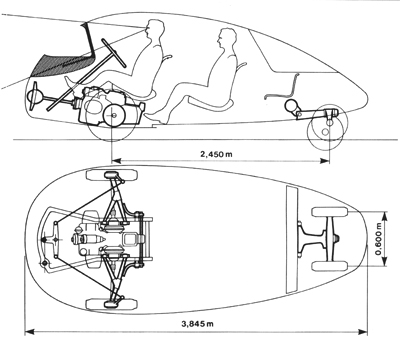
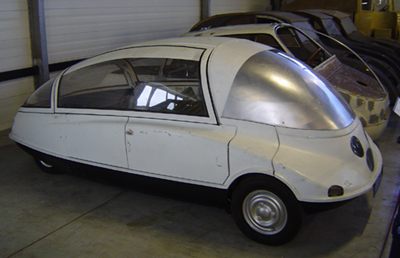
The
C was a front wheel drive design (using the A Series flat twin), housed
in an ultra lightweight (382 kg), aerodynamic body with DS style wide
front track and narrow rear track.
Shaped
like a drop of water - tapering in all three planes towards the rear
and employing aircraft construction techniques to ensure low weight, it
looked not unlike a flattened, widened Messerschmitt bubble car, even
down to the aircraft canopy glasshouse.
|
 |
 |
 |
|
 |
 |
 |
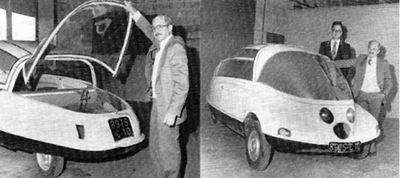
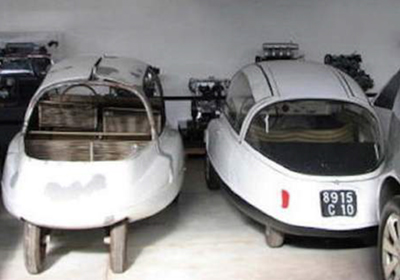
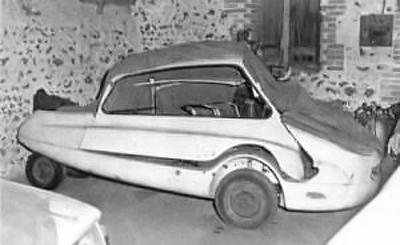
| Below C8 "discovered" in a barn in Ferté-Vidame in the eighties. |
 |
|
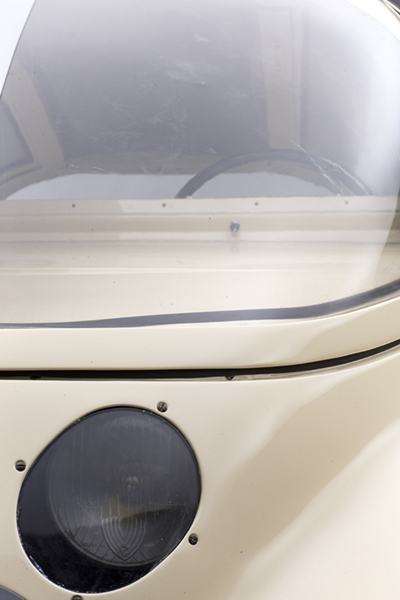
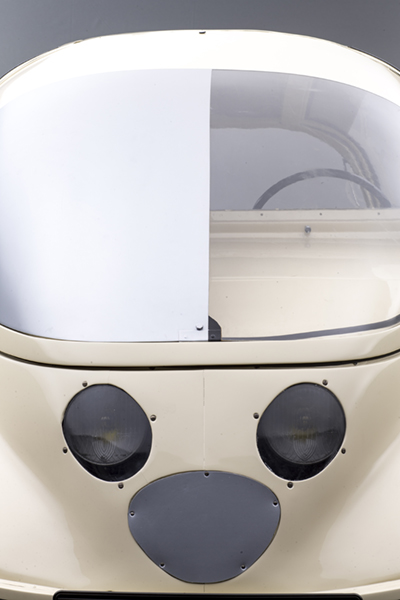
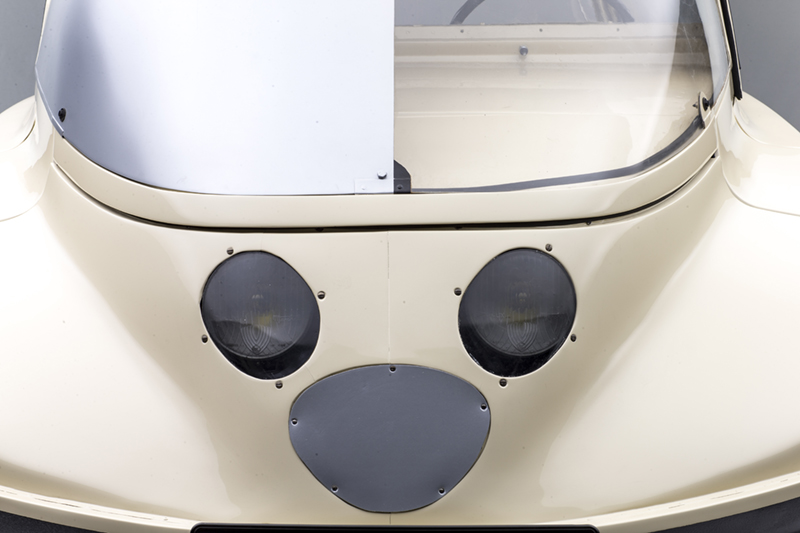
The
"glasswork'" was made of perspex and since this material can be easily
scratched, the car had no windscreen wipers. Instead, the windscreen
could be wound down thereby allowing the driver to see through a slot.
Careful attention to aerodynamics meant that no rain or snow entered
the cabin.
|
 |
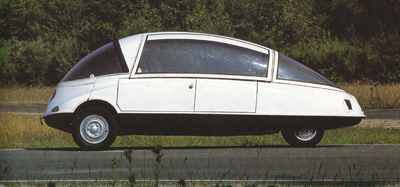
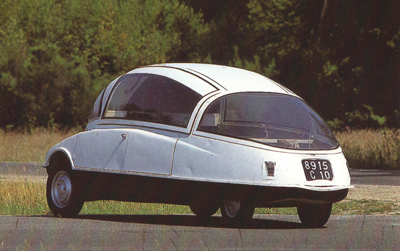
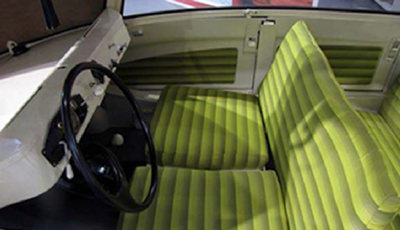
| Above
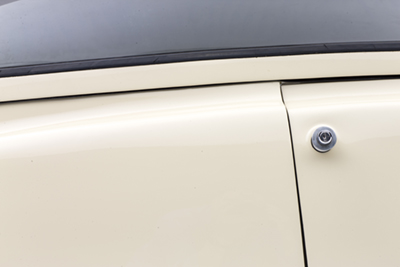
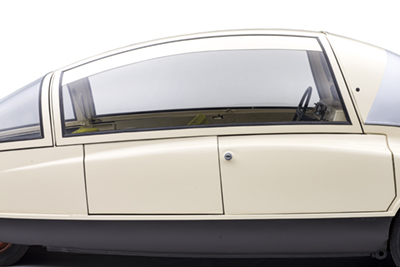
the C10 was fitted with hydropneumatic suspension and the doors were
two part - a gullwing window section and "conventional" half doors. |
 |
|
The decision was taken to proceed with the "conventional" looking Ami 6.
The Ami 6 was always viewed as a temporary stopgap solution to the chasm between the 2CV and the DS - a chasm that was not really filled until the launch of the GS.
Having rejected the Cocinelle, work started on the C60 project to fill this gap.
|
|