|
|
|
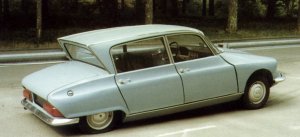
The Ami
6 was always viewed as a temporary stop-gap
solution to the chasm between the 2
CV and the DS
- a chasm that was not really filled until the
launch of the GS.
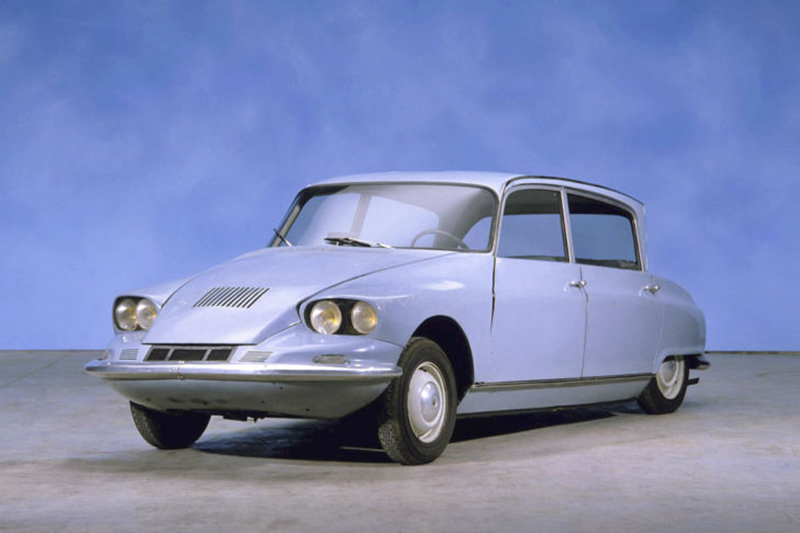
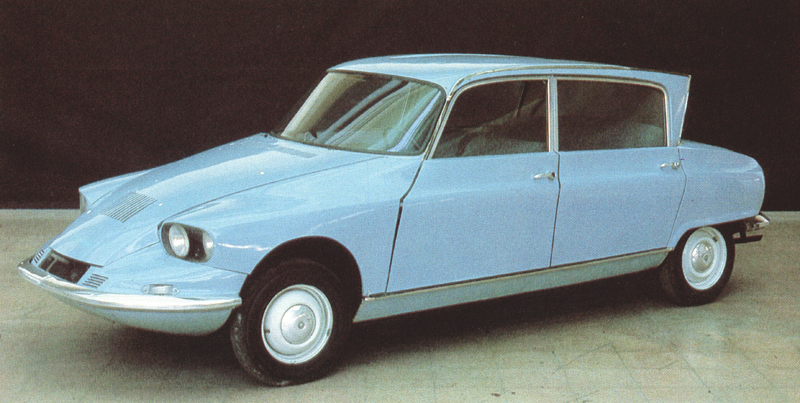
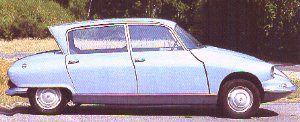
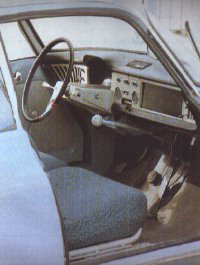
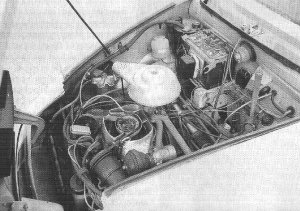
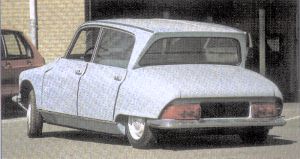
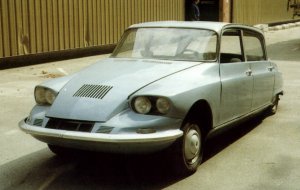
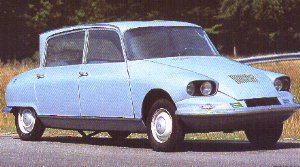
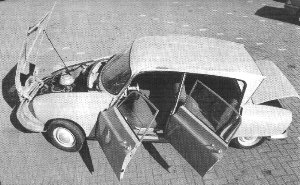
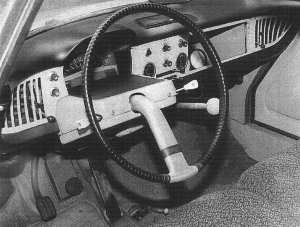
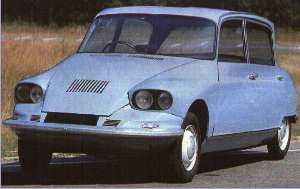
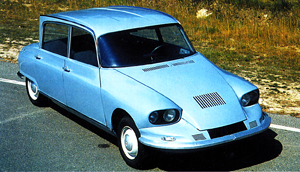
Having rejected the Cocinelle
, work started in 1960 on a project to fill this gap
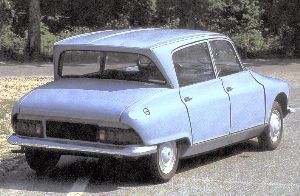
- the C 60 - longer and wider than the Ami but
employing some of that car's styling elements such
as the reverse rake rear window and with a front end
reminiscent of the DS, here was a singularly
attractive looking car that has frequently been
misdescribed as an Ami
prototype.
|
|
|
|
|
|
|
|
|
|
The
C-60
was styled by Flaminio Bertoni who was also
responsible for the Traction,
2CV,
DS
and Ami
6 (he described the Ami 6 as his favourite
creation). The headlamp treatment (using the lamps
from the yet-to-be-launched Panhard
24) anticipated the restyling of the DS in
1967.
|
|
|
|
|
|
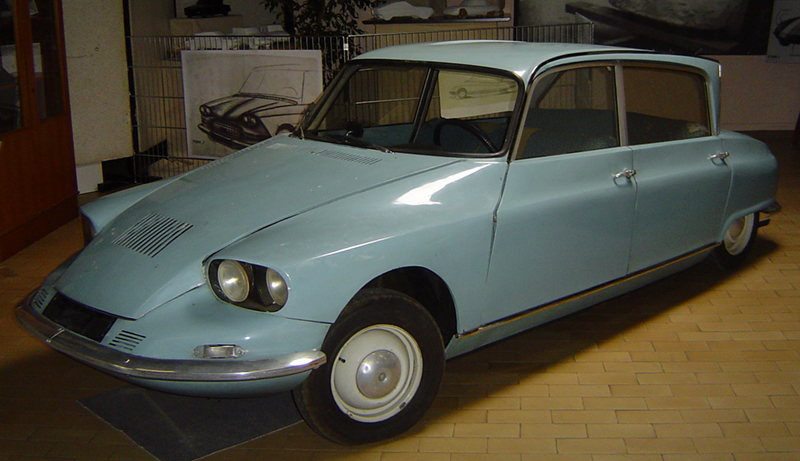
C-60
was
abandoned in favour of Projet
F.
The C-60 was displayed at the Classic
Motor Show in 2009
|
|